
Help improve habits that don’t serve you.
Why Our Habits Matter
Each day, we rely on routines to help us move through life efficiently. These habits save mental energy and give our daily structure. But not every routine we’ve built over time is good for our health. Whether it’s staying up too late, snacking mindlessly, or spending hours sitting on the couch, some habits can work against our long-term well-being.
To change a habit, we need to understand two things:
- What need is this habit meeting?
- Can we replace it with something healthier that meets the same need?
Meeting Real Needs
Bad habits often fill a real gap in our lives—whether that’s comfort, relaxation, connection, or distraction. For example, sitting on the couch watching TV after dinner might help you unwind after a long day. That’s a valid need. The key is not to eliminate the habit without replacing it, but to find a healthier way to get the same benefit.
Sometimes, it’s not even about food or exercise. You might reach for a cookie, but what you’re really looking for is a moment of connection with someone. Once you realize that, the solution isn’t just to swap the cookie for a carrot—it’s to find a way to build a more meaningful connection throughout your day.
The Role of Coaching
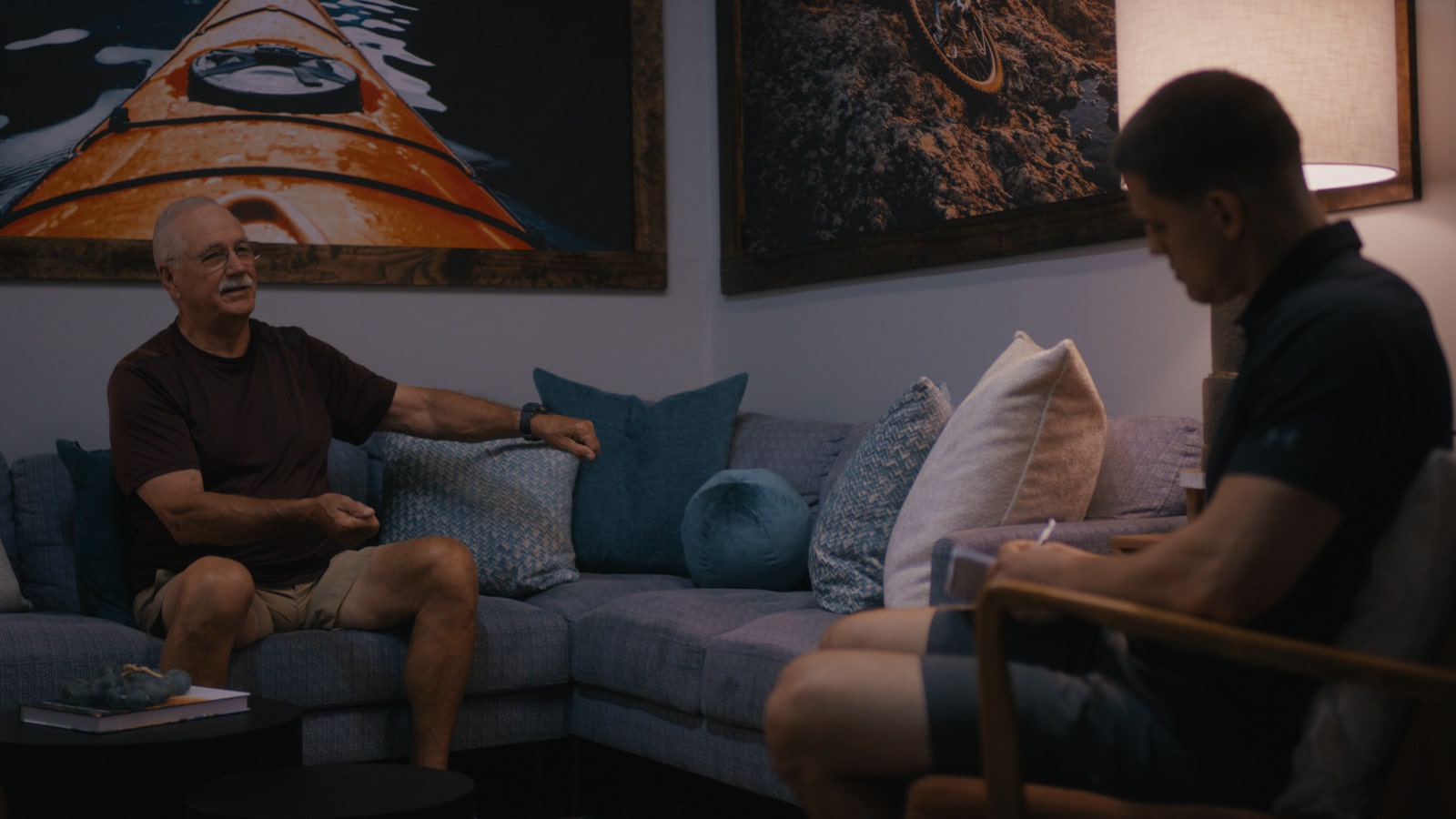
As coaches, our job isn’t just to tell you to “eat healthier” or “move more.” It’s to help you understand why certain habits exist and to guide you toward alternatives that still meet your needs.
How Habits Change Over Time
It’s also important to know that change takes time. The longer you go without engaging in a bad habit, the weaker the brain’s connection to it becomes. At the same time, as you practice a new, healthier habit, it gets easier and more automatic.
Building Lasting Routines
Research shows it takes around two months for a new habit to stick, but the process looks different for everyone—and that’s okay.
The most important thing is to be honest with yourself about what you truly need. Once you know that, you can start choosing habits that support your health while still meeting those needs.
– FDF Trainer.